Pipe Bending, Steel Tube, and Plate Rolling Services: The Ultimate Guide
Pipe bending, steel tube, and plate rolling services are essential for creating precise, durable, and customized metal components used across industries. Discover how expert metal forming transforms ideas into engineered solutions.
In the world of metal fabrication, pipe bending, steel tube shaping, and plate rolling services are critical for a vast range of industries, including construction, manufacturing, transportation, oil & gas, and infrastructure.
These precision-driven processes help create the structural and functional components necessary for modern engineering and design. Whether you require seamless curves in tubing or large cylindrical tanks formed from rolled plates, understanding these techniques and their applications is essential.
In this comprehensive guide by Aefab Annapurna Engineering, we will dive deep into pipe bending and plate rolling, exploring the machines involved, materials used, and the industries that rely on these essential metal bending services.
What are pipe bending and plate rolling services?
Understanding pipe bending
Pipe bending is the process of forming pipe or tubing into specific shapes and angles, allowing it to fit particular configurations. It’s widely used in systems that transport liquids, gases, or other materials. From creating smooth handrails in buildings to forming complex exhaust systems in automotive industries, steel pipe bending plays a pivotal role.
Understanding steel plate rolling
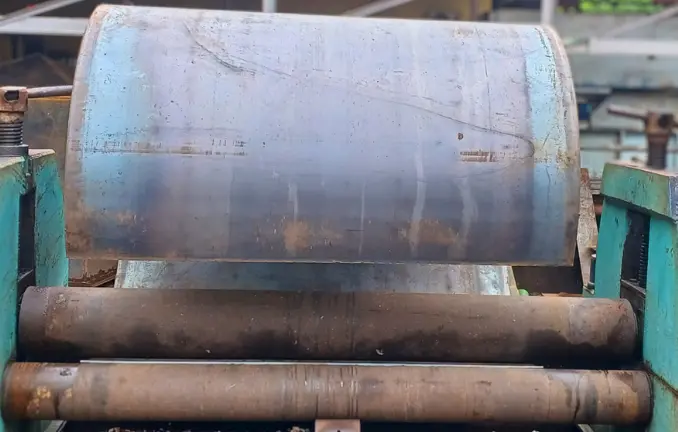
Steel plate rolling (also known as metal rolling) involves bending a flat steel plate into curved forms such as cylinders, cones, or complex arcs. This process is typically achieved through high-pressure rollers and is essential for manufacturing items like storage tanks, silos, ducts, and heavy-duty equipment.
Both services fall under the umbrella of metal bending services, which enable the transformation of raw steel into usable components for a broad array of industries.
Steel plate rolling services use machines like three-roll and four-roll bending machines to deform steel plates into desired shapes. Here’s a basic overview of how the process unfolds:
Preparation: Clean the steel plate and mark it based on the design blueprint.
Pre-pinching: Pre-bend the edges to minimise deformation.
Rolling: Feed the steel plate through a set of rollers that apply force to create a curved profile.
Finishing: Ensure accuracy, edge trimming, and quality inspection.
Types of plate rolling machines
Three-roll bending machines: Best for general plate rolling with moderate precision.
Four-roll bending machines: Offer tighter tolerances and more control.
we’ve got you covered with our exceptional quality fabrication services.
How does pipe bending work?
Methods of pipe bending
There are several techniques used to achieve accurate pipe bending results:
Rotary draw bending: Uses a die set and mandrel to create high-precision bends, often used for steel tube bending.
Mandrel-less bending: For larger radius curves where support inside the pipe isn’t required.
Roll bending: Pipes are gradually shaped by rollers, ideal for long-radius bends.
Equipment used in pipe and tube bending
Rotary draw pipe benders
CNC tube benders
Section benders
Tube rollers
These machines are vital in delivering precise and repeatable steel tube bending results.
Types of materials that can be rolled and bent
Pipe bending and plate bending services are not limited to one type of material. Common materials used include:
Carbon steel
Stainless steel
Aluminium
Copper
Nickel alloys
Stainless steel, in particular, is prized for its corrosion resistance, durability, and temperature tolerance, making it ideal for industries, such as food processing, pharmaceuticals, and chemical engineering.
Versatility: Enables fabrication of complex curves, cones, and cylinders.
Durability: Maintains the structural integrity of the material.
Versatile/Durable/Cost-effective: Reduces welding needs and material wastage.
Benefits of pipe bending
Precision: Achieves seamless curves with minimal distortion.
Aesthetics: Ideal for architectural applications with visual impact.
Efficiency: Saves time and costs over fabricating segments and welding.
These advantages make steel plate rolling services and pipe bending integral to modern manufacturing workflows.
Industrial applications of plate rolling and pipe bending
Applications of plate rolling services
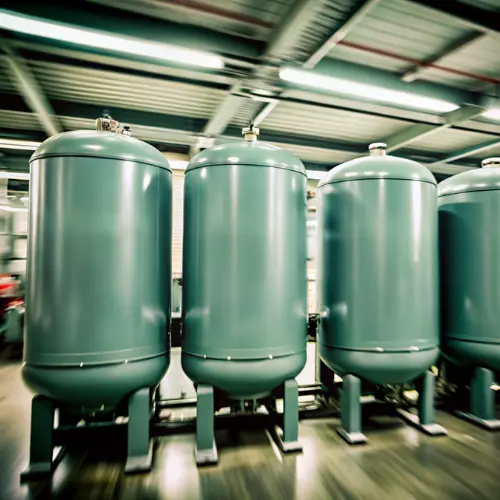
Tanks and pressure vessels
Wind turbine towers
Shipbuilding components
Air receiver tanks
Large-scale industrial equipment
Applications of pipe and tube bending
Automotive exhaust systems
Aircraft hydraulic lines
Handrails and guardrails
HVAC systems
Oil & gas piping
From construction to petrochemicals, these services enable safe and efficient system integration in complex projects.
Choosing the right provider for plate rolling and pipe bending services
Not all metal bending services are created equal. Choosing a qualified service provider can mean the difference between project success and costly delays.
Key considerations
1. Technical expertise
Ensure the provider has experience with a wide range of materials and project types.
2. Machinery & technology
Look for providers equipped with CNC-controlled equipment and modern roller machines for precise results.
3. Material quality
High-grade steel and alloys are critical to the durability and performance of the final product.
4. Customisation
Custom design capabilities are a must for tailored solutions.
5. Certifications and compliance
Industry-standard certifications (such as ISO) ensure adherence to safety and quality protocols.
At Aefab Annapurna Engineering, our expertise in steel plate rolling, pipe bending, and steel tube bending is built on years of experience and a commitment to quality, customisation, and timely delivery.
Why Aefab Annapurna Engineering?
One-stop metal bending service provider
We specialise in:
Steel plate rolling services for large industrial applications.
Steel pipe bending for precision piping systems.
Tube and profile rolling for architectural and structural projects.
Industries we serve
Oil & Gas
Infrastructure & Construction
Power & Energy
Heavy Machinery
Transportation
Our team is equipped to handle complex requirements across various materials and dimensions. With our cutting-edge equipment and strict quality controls, we guarantee precision and reliability in every project.
Conclusion: Precision matters in pipe bending and plate rolling
In summary, plate rolling and pipe bending are transformative metal fabrication techniques that bring ideas into industrial reality. Their importance spans across sectors and scales—from high-rise buildings and industrial tanks to automotive assemblies and HVAC infrastructure.
Choosing a competent service provider like Aefab Annapurna Engineering ensures your project benefits from advanced technology, skilled workmanship, and unwavering attention to detail.
Whether you’re planning a custom piping layout or need large-scale steel plate rolling services, we’re here to help you bend, roll, and fabricate with confidence.
Contact us today to discuss your next project and explore the most efficient, cost-effective, and high-quality solutions in metal bending services.
Aefab Annapurna Engineering has a company-wide commitment to build high-quality stainless steel tanks, pressure vessels & equipment with on-time deliveries. We are ready to go the extra mile to exceed customer expectations.
More than fifty years in business have given us the knowledge, skills and experience required to safely produce high-quality, custom fabricated stainless steel equipment.
Aefab Annapurna Engineering is the Manufacturer and Fabricator of Stainless Steel & Mild Steel – Tanks & Vessels, Process Equipment, Heat Exchangers, Material Handling Equipment, Bridge Girders & Bridge Bearings.